Is going solar complicated? Here’s what homeowners can expect
Quick answer: Going solar is usually less complicated than homeowners expect. After the initial consultation, much of the design, permitting, utility coordination and installation planning happens behind the scenes.
Most homeowners do not worry about whether solar works. They worry about everything else. How long does it take? Will someone need to tear apart the roof? What paperwork is involved? Who handles permits? When does the system actually start producing electricity Those are fair questions. Solar is a major home project, and homeowners should understand the process before making a decision.
The good news is that going solar is often much more straightforward than people expect. Once you understand the steps, the process feels less like a mystery and more like a planned home improvement project.
Why many homeowners think solar is complicated
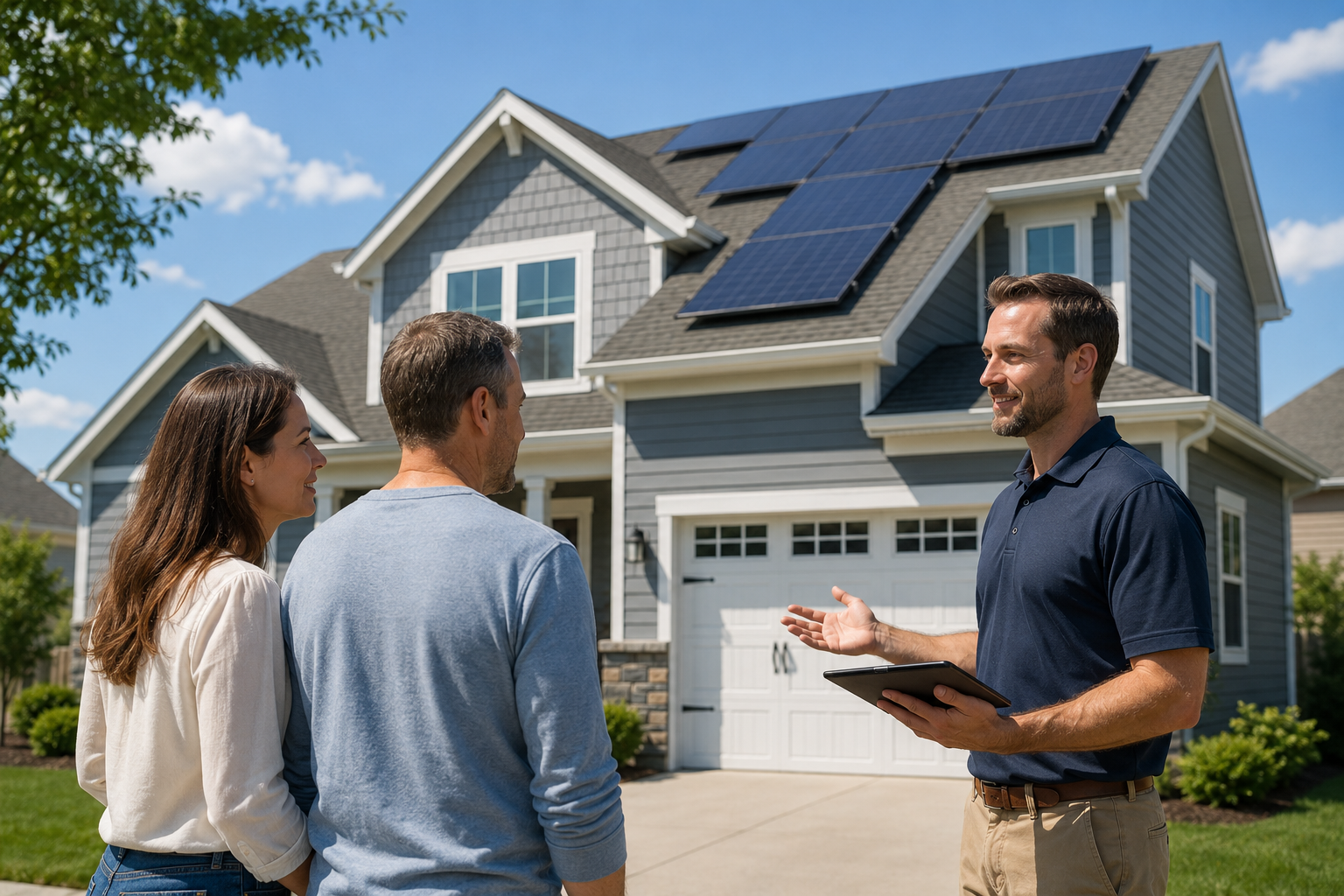
For years, solar was viewed as a specialized home improvement project. Many homeowners assumed it involved major construction, confusing paperwork, unpredictable costs and a long list of technical steps.
Today, the process is much more organized.
| What homeowners often expect | What usually happens |
|---|---|
| Complex construction | A planned installation handled by trained crews |
| Endless paperwork | Permits and utility coordination are typically managed as part of the process |
| Major roof disruption | The roof is reviewed before installation and equipment is mounted using approved methods |
| Unclear next steps | The project moves through a defined process from consultation to activation |
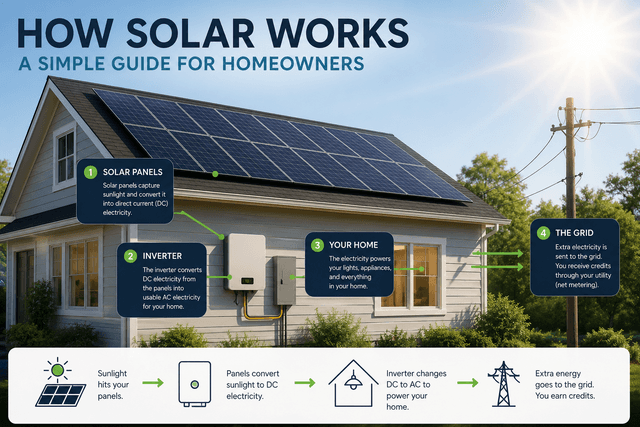
If you are still learning the basics, our guide on how solar works explains how residential solar systems generate electricity and connect with the grid.
The solar process at a glance
Every project is different, but most residential solar projects follow a similar path.
Simple process overview:
1. Initial consultation
2. Home evaluation and system design
3. Permits and utility approvals
4. Installation
5. Final approval and activation
6. Monitoring and long-term system performance
The homeowner is involved in the major decisions, but much of the technical coordination happens in the background.
Step 1: Initial consultation
The process usually starts with a consultation.
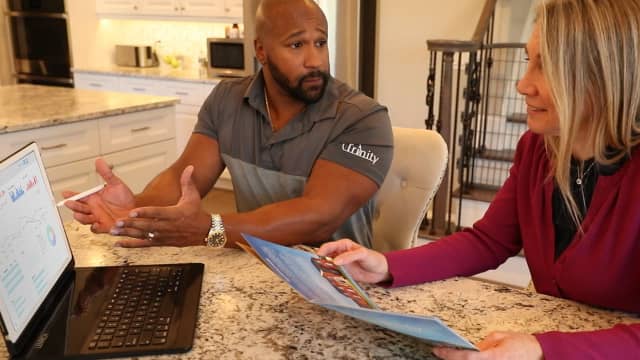
This is where the solar provider reviews basic information about your home, your electric usage and your goals. The purpose is to understand whether solar makes sense for the property before moving deeper into design and planning.
Energy usage
Your electric bill helps estimate how much power your home uses.
Roof suitability
Roof space, direction, shade and condition all matter.
Homeowner goals
Some homeowners care most about savings. Others care about predictability or energy independence.
Available programs
State programs, utility rules and payment options can affect the overall value.
The goal is not to make solar feel more complicated. The goal is to understand whether the home is a good candidate.
Step 2: Home evaluation and system design
If the home appears to be a good fit, the next step is designing a system around the property.
A solar design should not be based on averages alone. It should consider how much electricity the home uses, how much sunlight the roof receives and how much space is available for panels.
Common design factors include:
- Roof layout
- Sun exposure
- Tree coverage and shading
- Electricity consumption
- Utility requirements
- Local solar program rules
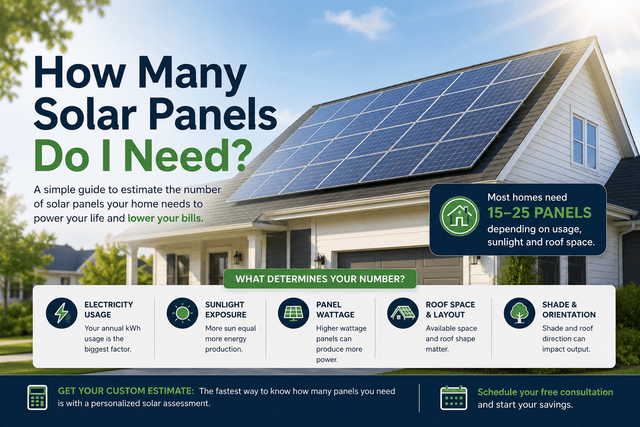
If you are wondering how system size is determined, our guide on how many solar panels you need explains how usage and production estimates work together.
Will solar damage the roof?
This is one of the most common concerns homeowners have.
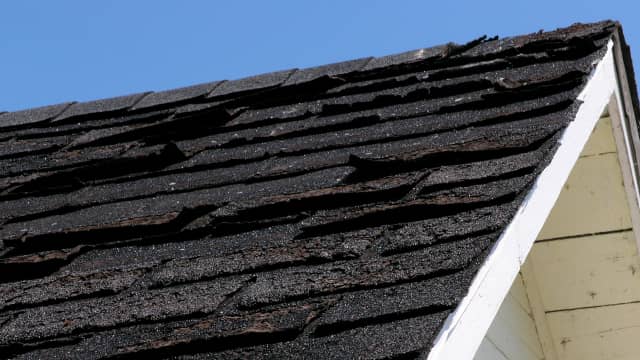
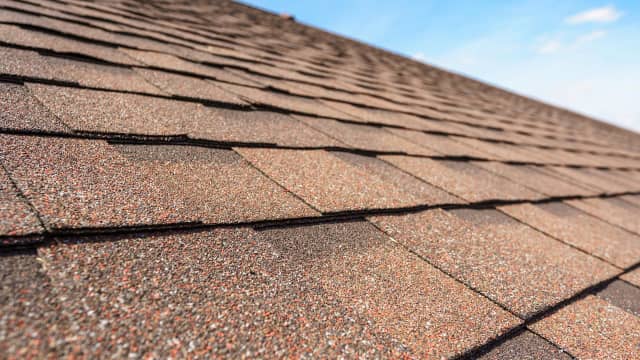
Solar panels are mounted to the roof using equipment designed for long-term outdoor exposure. Before installation, the roof should be reviewed to confirm it is in suitable condition for solar.
If the roof is older, damaged or near the end of its useful life, it may need to be repaired or replaced before solar is installed. That is not a bad thing to know early. It helps avoid future issues and makes the solar project easier to plan correctly.
Important: Solar is a long-term system. A roof evaluation helps confirm whether the roof is ready before panels are installed.
Step 3: Permits and approvals
One area that surprises many homeowners is how much coordination happens behind the scenes.
Solar projects often involve permits, utility approvals and project documentation. Requirements can vary by town, state and utility provider, but homeowners generally do not need to manage those steps themselves.
Permits
Local permits confirm the project meets municipal requirements.
Utility review
The utility reviews how the system will connect to the grid.
Final approvals
The system must be approved before it can officially operate.
This phase can feel slow because much of the work is administrative, but it is a normal part of the solar process.
Step 4: Installation day
Installation is often one of the shortest phases of the project.
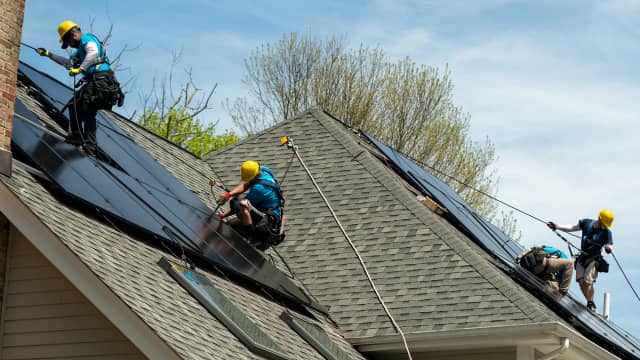
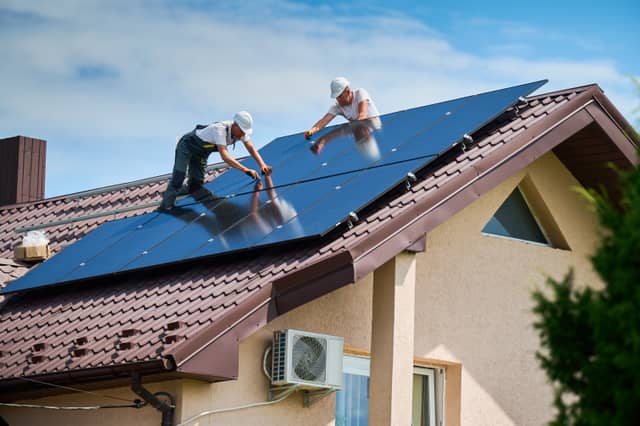
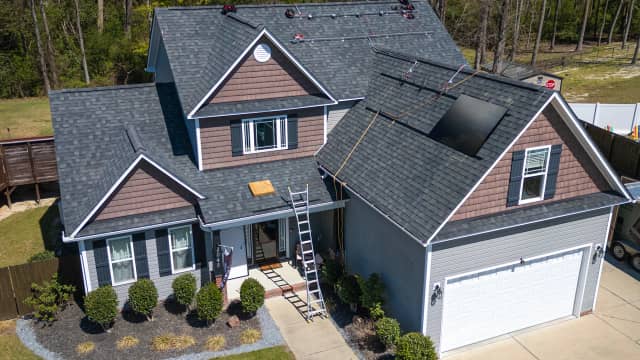
Professional installation crews mount the solar equipment, complete electrical connections and prepare the system for inspection and approval.
The exact timeline depends on the system size, roof layout, weather and local requirements, but many homeowners are surprised by how quickly the physical installation is completed compared with the overall project timeline.
What to expect: Installation is the most visible part of the process, but it is not the only part. Design, permits, utility coordination and activation all matter too.
Step 5: Activation
After installation, the system still needs final approval before it begins operating.
Once those approvals are complete, the system can be activated and begin generating electricity for the home.
At that point, homeowners can usually monitor production and see how the system contributes to their household energy usage.
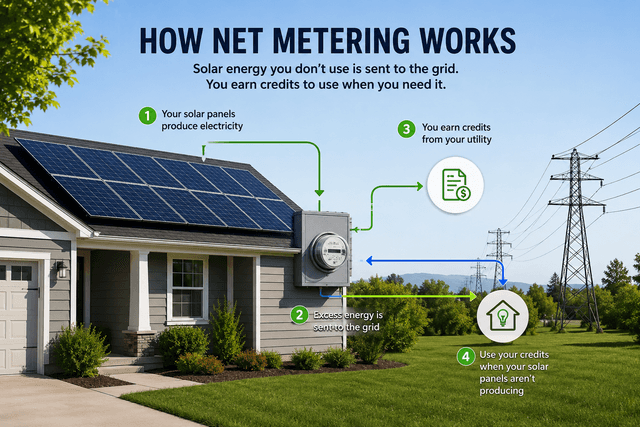
If you want to understand what happens when your system produces more electricity than your home uses, our guide on what net metering is explains how solar credits can work.
What about maintenance?
Solar systems are designed to operate with minimal maintenance.
Most homeowners spend far less time maintaining solar equipment than they do maintaining many other home systems. Modern solar panels are built to withstand decades of weather exposure and daily operation.
That said, homeowners should still pay attention to system monitoring, unusual performance changes, tree growth and roof conditions over time.
| Maintenance concern | What homeowners should know |
|---|---|
| Panel cleaning | Rain often helps clear light dirt, though local conditions may vary. |
| System monitoring | Monitoring helps homeowners track production and notice performance changes. |
| Tree growth | New shading over time can reduce production. |
| Roof condition | Roof issues should be addressed before they become larger problems. |
How long does the solar process take?
The installation itself may be relatively quick, but the full solar process includes design, approvals, scheduling, installation and activation.
That means the total timeline can vary. Some of the biggest timing factors include permitting requirements, utility review, weather, project complexity and local inspection schedules.
The important thing for homeowners to understand is that waiting time does not always mean nothing is happening. In many cases, approvals and coordination are moving in the background.
Is solar worth the effort?
For many homeowners, the process turns out to be simpler than expected.
The bigger question is whether solar aligns with the home’s energy usage, roof condition, finances and long-term goals.
That is why it helps to look beyond the installation process and compare the long-term picture. Our guide on solar vs. utility costs explains how homeowners can compare solar with the long-term cost of staying fully dependent on the grid.
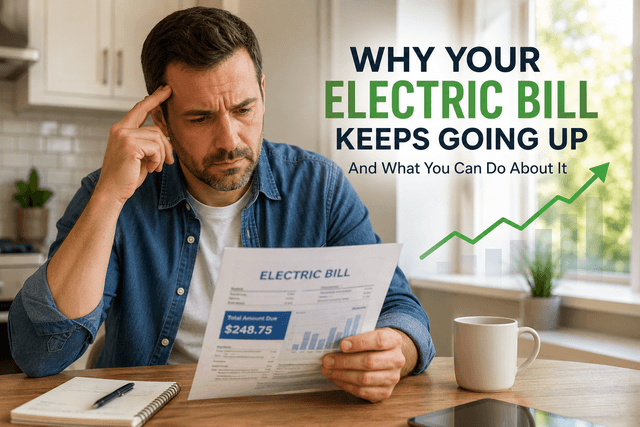
If electric bills are the main concern, our article on why your electric bill keeps going up explains some of the larger forces behind rising utility costs.
Final thoughts
Going solar is a process, but it does not have to be a complicated one.
Most homeowners do not need to become solar experts. They need to understand the basic steps, know what questions to ask and work through whether solar makes sense for their home.
The best way to understand what solar would look like for your home is through a personalized evaluation that reviews your roof, electricity usage and available options.
The real question is not “Is solar complicated?”
The better question is whether solar makes sense for your home, your utility costs and your long-term energy goals.
Continue learning
If you are learning what to expect from solar, these guides are a good next step: