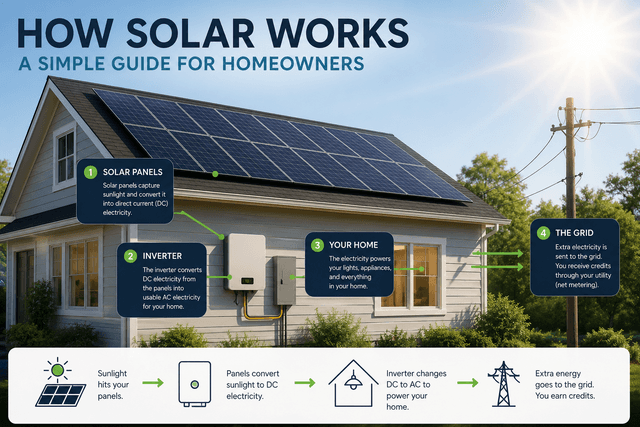
Connecticut solar incentives: Tax credits, programs and savings explained
Quick answer: Connecticut homeowners may still qualify for state and utility solar programs in 2026, including Connecticut’s Residential Renewable Energy Solutions program. The federal Residential Clean Energy Credit is no longer available for new residential solar property placed in service after December 31, 2025, based on current IRS guidance.
If you own a home in Connecticut, have usable roof space, and pay a monthly electric bill, solar may still offer long-term savings in 2026. The key is understanding which programs apply to your home, your utility provider, and your installation timeline.
What most homeowners get wrong is assuming every incentive works the same way. Some programs lower taxes. Some create utility bill credits. Some depend on income, system size, or utility rules. This guide breaks it down clearly so you can understand what may still apply before you request a solar quote.
If you are just starting your research, you may also want to review our guide to going solar in Connecticut, which explains the broader process, benefits, and local considerations for homeowners in the state.

What solar incentives are available in Connecticut?
Connecticut solar incentives generally fall into three categories: federal tax incentives, state or utility programs, and long-term electric bill savings. The exact value depends on your home, your utility provider, and the program rules in place when your system is approved.
Federal tax credit
The federal Residential Clean Energy Credit previously helped homeowners reduce solar costs. Current IRS guidance says the credit is not available for property placed in service after December 31, 2025.
Connecticut RRES program
Connecticut’s Residential Renewable Energy Solutions program helps compensate eligible homeowners for solar energy through tariff-based options.
Utility bill savings
Solar can still help reduce long-term electricity costs by lowering the amount of power your home needs from the grid.
Federal solar tax credit update for 2026
The federal Residential Clean Energy Credit was one of the most important solar incentives for homeowners. It allowed eligible homeowners to claim a percentage of qualified solar installation costs as a federal tax credit.
For 2026 planning, the important update is that current IRS guidance states the credit is not available for residential clean energy property placed in service after December 31, 2025.
That means homeowners should not assume a 30% federal tax credit applies to a new 2026 solar installation unless they have confirmed eligibility with a qualified tax professional and reviewed current IRS guidance.
Important: Solar tax rules can change, and individual eligibility can vary. Trinity Solar can help explain how solar works, but homeowners should speak with a qualified tax professional for tax-specific advice.
For a deeper explanation of the federal program, read our guide to the Federal Solar Tax Credit.
Connecticut’s Residential Renewable Energy Solutions program
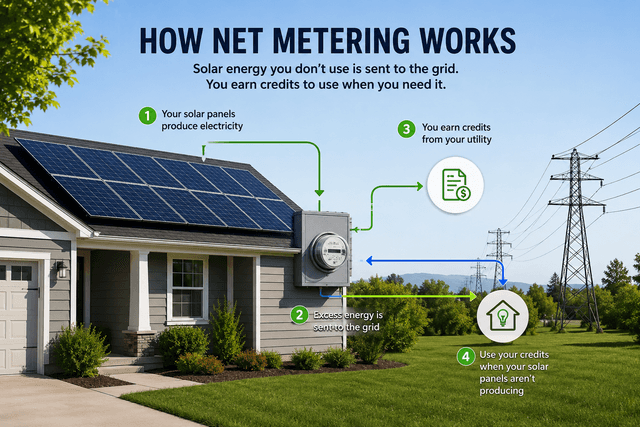
Connecticut no longer uses traditional residential net metering for most new solar systems. Instead, eligible homeowners participate in the Residential Renewable Energy Solutions program, often called RRES.
The program generally gives homeowners two options:
Netting tariff
Your home uses the solar power first. When your system produces more electricity than your home needs, excess power can earn credits that help reduce future utility costs.
Buy-all tariff
All electricity your solar system generates is sold to the utility at a set compensation rate, while your home purchases electricity separately.
The best option depends on your electricity usage, system design, utility provider, and long-term goals. If you want a simpler breakdown of how solar credits work, our guide on what net metering is explains the concept in plain English.
How Connecticut solar incentives work together
Solar incentives can be confusing because they do not all reduce the cost of solar in the same way.
Simple way to think about it:
1. Federal tax incentives may reduce tax liability if eligible.
2. Connecticut utility programs can help compensate solar production over time.
3. Solar can reduce the electricity your home needs from the grid.
4. The long-term value comes from combining program benefits with lower monthly energy costs.
That is why two homes in the same neighborhood may see different results. One home may use more electricity, have better roof exposure, or qualify for a different program structure.
Before comparing solar proposals, it helps to understand the broader cost picture. Our article on how much Trinity Solar costs explains the factors that can affect system pricing and long-term savings.
Example: How incentives can affect solar costs
The exact numbers will vary by home, but here is a simple way to understand how incentives and credits can affect solar value.
| Solar cost factor | How it affects savings |
|---|---|
| System size | A larger system may produce more electricity, but it also costs more to install. |
| Electric usage | Homes with higher electricity usage often have more opportunity to offset utility costs. |
| Roof conditions | Roof angle, direction, shading, and condition affect system performance and installation planning. |
| Utility program | RRES tariff options can affect how your solar production is credited or compensated. |
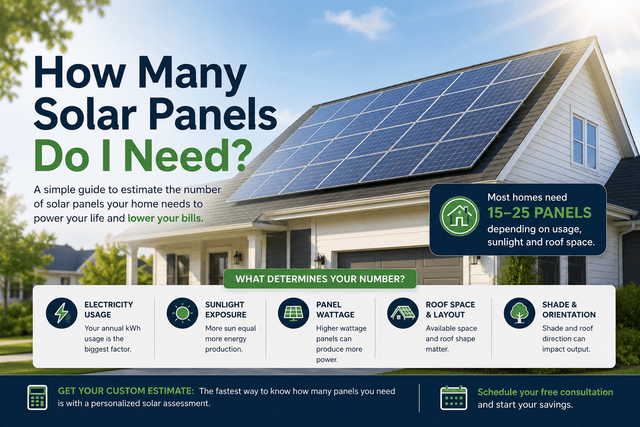
If you are unsure what system size your home may need, start with our guide on how many solar panels you need to power a house.
Who may qualify for Connecticut solar incentives?
Eligibility depends on the specific program, but common factors include homeownership, utility provider, system design, and roof suitability.
Own your home
Most residential solar programs require the homeowner to own the property.
Usable roof space
Your roof should have enough space and sunlight for a productive system.
Eligible utility provider
Program rules can depend on your electric utility and service territory.
Good roof condition
A roof may need repair or replacement before panels are installed.
Roof condition matters because solar panels are a long-term investment. If your roof is near the end of its life, it may make sense to address roofing needs before or during the solar planning process.
What solar incentives usually do not cover
Solar incentives can help improve the financial return of going solar, but they usually do not cover every related home project.
- Roof replacement or major roof repairs
- Electrical upgrades unrelated to the solar installation
- Financing interest
- General home improvement work
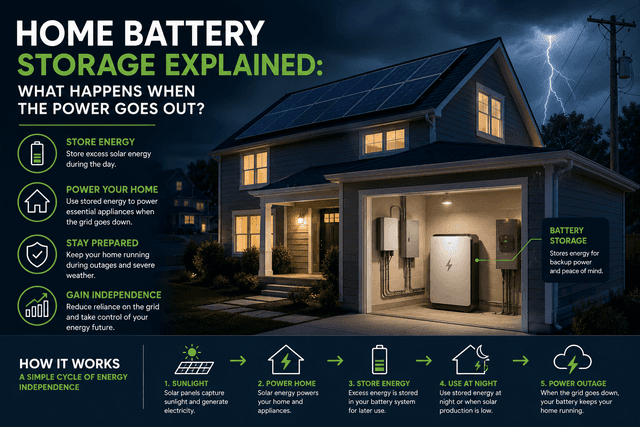
- Battery storage unless the battery meets applicable eligibility rules
If a solar incentive is presented as “covering everything,” that should be reviewed carefully. Incentives can reduce costs or improve long-term savings, but they do not automatically eliminate every expense.
Common misconceptions about Connecticut solar incentives
| Misconception | Reality |
|---|---|
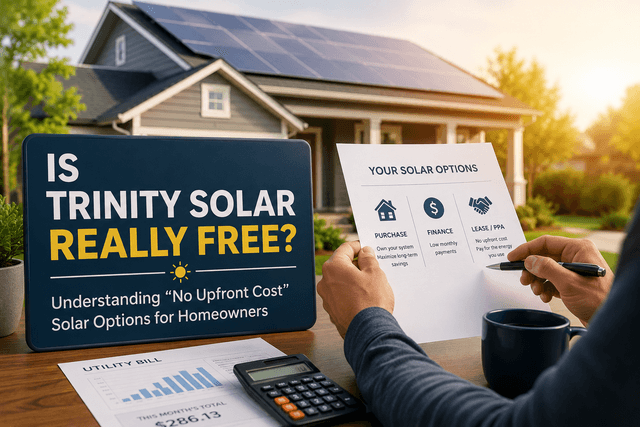
| Solar is free because of incentives. | Incentives may reduce costs or improve savings, but they do not automatically make solar free. |
| Every homeowner gets the same incentive. | Eligibility depends on your home, utility provider, system design, and current program rules. |
| Connecticut still has traditional net metering. | Connecticut now uses the RRES program for most new residential solar systems. |
| The federal credit automatically applies in 2026. | Current IRS guidance says the Residential Clean Energy Credit is not available for property placed in service after December 31, 2025. |
Should Connecticut homeowners still consider solar in 2026?
Yes, many Connecticut homeowners may still find solar worth considering in 2026, even with changes to the federal tax credit. The decision depends on electric usage, utility rates, roof conditions, financing options, and the value of Connecticut’s solar programs.
Solar is not just about one incentive. It is about reducing long-term exposure to rising electricity costs and creating a more predictable energy plan for your home.
To better understand the production side, read our guide on how much power solar panels produce. That can help you connect system output with potential savings.
The real question is not “What incentives exist?”
The better question is: which incentives, programs, and savings opportunities apply to your specific home? That depends on your roof, electric usage, utility provider, and installation timing.
Next step: Check your Connecticut solar eligibility
The most accurate way to understand what incentives and savings may apply is through a home-specific solar evaluation.
A personalized review can look at:
- Your roof layout and condition
- Your current electricity usage
- Your utility provider
- Solar production potential
- Available Connecticut program options
- Financing and payment structure
That clarity helps prevent bad assumptions before pricing is ever discussed.
Continue learning
If you are comparing solar options in Connecticut, these guides are a good next step: