Solar vs. utility costs: A 25-year comparison
Quick answer: Utility rates can change over time, while solar gives homeowners the ability to generate a portion of their own electricity. A 25-year comparison helps show the long-term difference between continuing to buy electricity from the grid and producing power at home.
Most homeowners evaluate their electric bill one month at a time.
The challenge is that utility companies do not plan one month at a time. Infrastructure upgrades, grid investments, rising demand, severe weather, and inflation can all influence electricity rates over decades.
That is why many homeowners are starting to ask a different question:
What could my energy costs look like over the next 25 years?
Why looking at one electric bill can be misleading
A single electric bill only shows what you paid for one billing cycle. It does not show what you may pay over the next 5, 10, or 25 years.
That matters because electricity is not usually a one-time expense. For most homeowners, it is a monthly cost that continues for as long as they own the home.
| Looking at one month | Looking at 25 years |
|---|---|
| Today’s electric bill | Long-term energy costs |
| Current utility rate | Future rate changes |
| Short-term affordability | Total cost over time |
| This month’s usage | A long-term energy plan |
That shift in perspective is important. A bill that feels manageable today can become much more expensive over time if utility rates continue increasing.
Why utility bills tend to increase over time
Utility costs can change for many reasons. Some are tied to local infrastructure. Others are connected to larger energy trends.
Grid upgrades
Utilities invest in poles, wires, substations, and transmission systems to keep electricity moving.
Rising demand
More electricity use from homes, businesses, electric vehicles, and technology can place more pressure on the grid.
Storm hardening
Utilities may invest in stronger infrastructure to reduce outages and improve reliability during severe weather.
Inflation and operating costs
Labor, materials, maintenance, and fuel costs can affect the price homeowners pay for electricity.
These factors are one reason homeowners are paying closer attention to long-term energy planning, not just monthly bills.
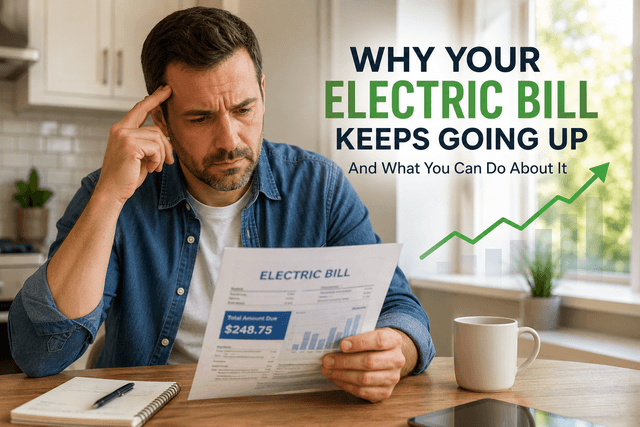
For more on the forces behind rising energy costs, read our guide on why your electric bill keeps going up.
How solar changes the equation
Traditional utility service means buying electricity from the grid month after month.
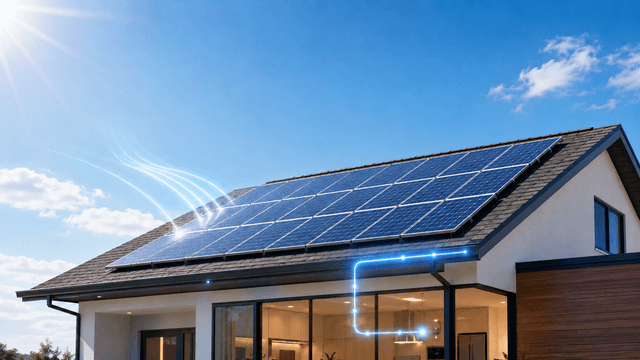
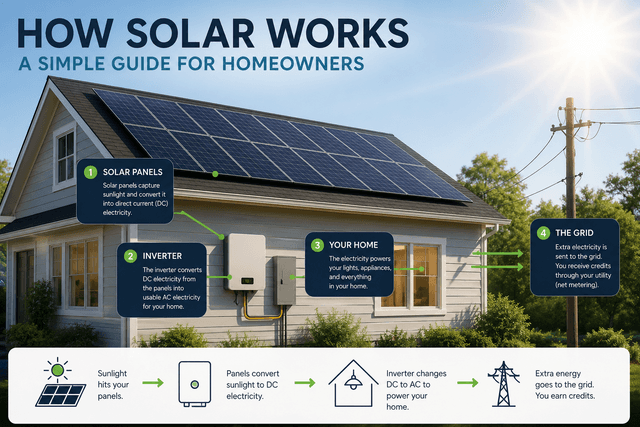
Solar introduces a different model. Instead of purchasing all of your electricity from the utility company, your home can generate some of its own power directly from sunlight.
Utility-only model
Utility company
↓
Monthly electric bill
↓
Repeat every month
Solar model
Sunlight
↓
Solar panels
↓
Power for your home
↓
Grid power only when needed
This does not mean every homeowner eliminates their utility bill completely. Most solar homes remain connected to the grid. But solar can reduce how much electricity you need to buy from the utility over time.
If you are still learning the basics, our guide on how solar works explains how residential solar systems turn sunlight into electricity for your home.
What a 25-year comparison really measures
A 25-year comparison is not about predicting exact future bills. No one can do that with certainty.
Instead, it helps homeowners compare two different paths:
| Factor | Utility only | Solar |
|---|---|---|
| Energy source | Electricity purchased from the grid | Some electricity produced at home |
| Rate exposure | Fully exposed to future utility rate changes | Reduced exposure for the electricity your system produces |
| Monthly cost | Can change based on rates and usage | Can become more predictable depending on system design and payment option |
| Long-term control | Lower control over future costs | Greater control over a portion of your energy needs |
The point is not whether utility costs will rise by a specific number. The point is that continuing to rely only on the utility means accepting whatever future rates become.
What affects long-term solar savings?
The long-term value of solar depends on several home-specific factors.
Electric usage
Homes that use more electricity often have more opportunity to offset utility costs.
Roof layout
Roof direction, shade, pitch, and usable space affect how much solar your home can produce.
System size
A properly sized system is designed around your home’s annual electricity usage.
State programs
Net metering, utility credits, and local program rules can affect long-term value.
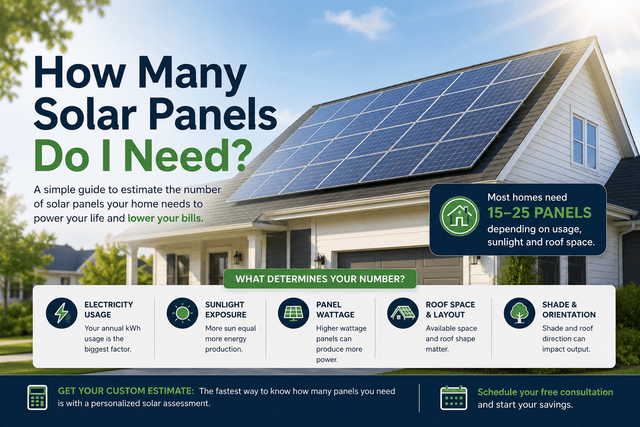
If you want to estimate what size system your home may need, start with our guide on how many solar panels you need to power a house.
You can also learn more about production expectations in our article on how much power solar panels produce.
How net metering and solar credits affect the comparison
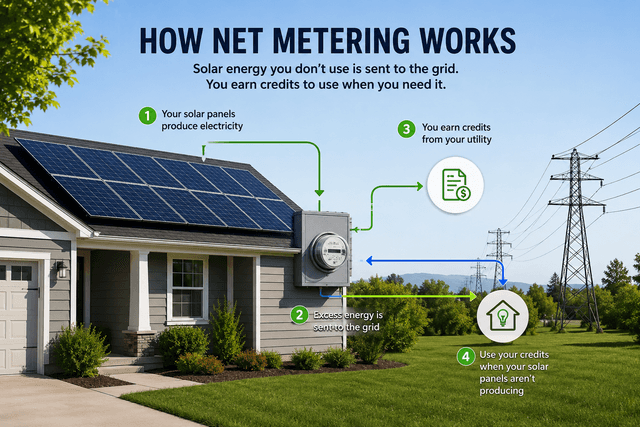
Solar panels often produce more electricity during the day than your home uses in that exact moment. Depending on your state and utility program, that extra electricity may be sent to the grid and credited to your account.
Those credits can help offset electricity you use later, such as at night or during cloudy weather.
This can make a major difference in the long-term value of solar because your system is not only producing electricity when the sun is shining. It may also be helping reduce future utility charges through bill credits.
For a plain-English breakdown, read our guide on what net metering is.
Why your timeline in the home matters
Solar often becomes more compelling for homeowners who plan to stay in the home long enough to benefit from long-term savings.
| Homeownership timeline | How to think about solar |
|---|---|
| 1 to 3 years | Solar may still be worth reviewing, but the decision depends heavily on home value, ownership plans, and financing structure. |
| 3 to 10 years | This is often where homeowners begin weighing monthly savings, incentives, and long-term cost stability more seriously. |
| 10+ years | Long-term homeowners often have more time to benefit from reduced utility exposure and ongoing solar production. |
If you are comparing solar in a specific state, local policies and electricity rates matter. For example, our article on going solar in Connecticut explains state-specific considerations that may affect the decision.
Solar is about more than lower bills
Savings matter, but they are not the only reason homeowners compare solar against long-term utility costs.
More predictability
Solar can help reduce exposure to changing utility rates.
Less grid dependence
Your home can generate a portion of its own electricity.
Long-term planning
Solar helps homeowners think beyond this month’s bill.
Energy resilience
Solar, and in some cases battery storage, can be part of a broader energy plan.
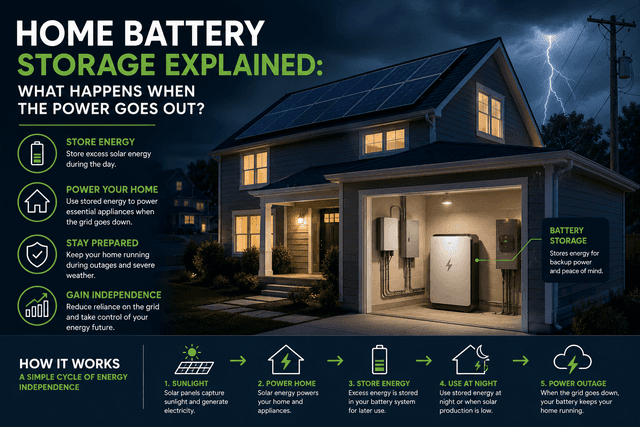
For homeowners considering backup power and added resilience, a solar battery may also be worth reviewing. Battery storage can change how homeowners think about solar, grid reliability, and future energy planning.
Questions to ask before comparing solar and utility costs
Before comparing solar to future utility costs, it helps to answer a few practical questions:
1. How much electricity does my home use each year?
2. How long do I plan to stay in the home?
3. Is my roof in good condition?
4. What solar programs or credits are available in my state?
5. What payment option makes the most sense for my household?
6. How much protection do I want from future utility rate changes?
Those questions usually matter more than a single monthly estimate. They help homeowners compare energy choices over time, not just at the point of purchase.
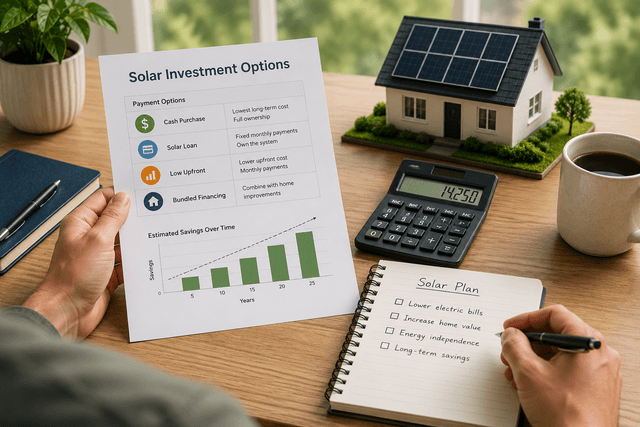
If you are reviewing payment options, our guide on solar payment options can help explain how financing, ownership, and monthly affordability may affect the long-term picture.
The better question is not just “How much does solar cost?”
A better question is: what will electricity cost if you do nothing? A 25-year comparison helps homeowners evaluate solar against the long-term cost of staying fully dependent on the utility.
Final thoughts
No one can predict future utility rates with certainty.
What homeowners can do is evaluate the options available today. Solar gives homeowners a way to produce some of their own electricity, reduce long-term exposure to utility rate increases, and create a more predictable energy plan.
Understanding the long-term relationship between utility costs and solar is one of the most important steps in making an informed energy decision.
Continue learning
If you are comparing solar and long-term energy costs, these guides are a good next step: