Solar panels typically require limited routine maintenance, but the entire solar system should not be ignored. Monitoring production, watching for new shade or debris and checking for visible damage from a safe location can help homeowners identify problems early. Cleaning and repair needs depend on the property, equipment, weather, warranty and system ownership.
A residential solar system is designed to operate outdoors through changing temperatures, rain, wind and other weather. Because panels do not contain the same number of moving parts as many household systems, homeowners may not need a rigid monthly maintenance routine.
That does not make a solar system maintenance-free. Panels are only one part of the installation. The inverter, wiring, mounting equipment, monitoring connection and roof beneath the array all affect how the system performs. The most useful maintenance plan combines production monitoring, safe visual checks and qualified service when something appears wrong.
What solar panel maintenance actually includes
Solar maintenance is broader than washing the glass. A practical plan focuses on whether the system is operating normally, whether anything has changed around the array and whether the equipment or roof shows signs of a problem.
| Maintenance area | What to review | When to contact a professional |
|---|---|---|
| Production monitoring | Output trends, alerts and communication status | A significant unexplained change persists |
| Panels and array | Visible debris, broken glass or shifted equipment | Damage, movement or stubborn buildup is visible |
| Surrounding property | Tree growth, new shade and animal activity | Access requires rooftop or electrical work |
| Inverter and equipment | Warning lights, error messages or unusual sounds | An alert repeats or equipment appears damaged |
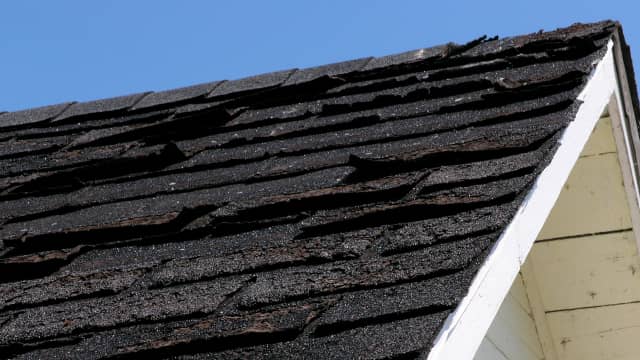
| Roof and mounting | Leaks, damaged roofing or displaced materials | There are signs of water intrusion or storm damage |
Start with solar monitoring—not the monthly bill
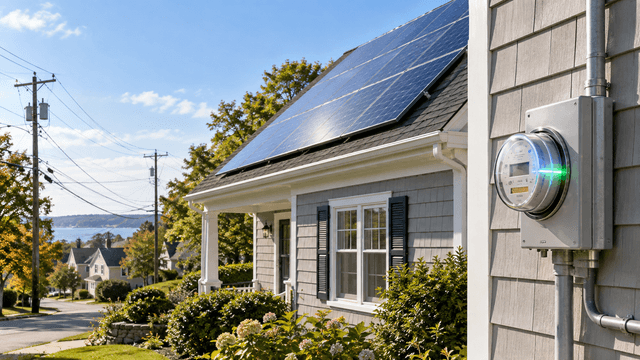
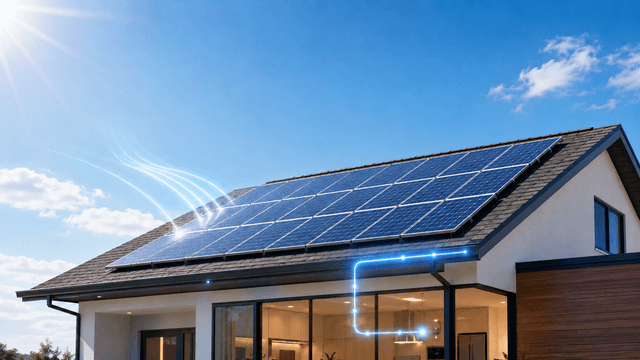
A solar monitoring app or portal can show daily, monthly and historical production. This makes monitoring one of the safest and most useful homeowner maintenance tools.
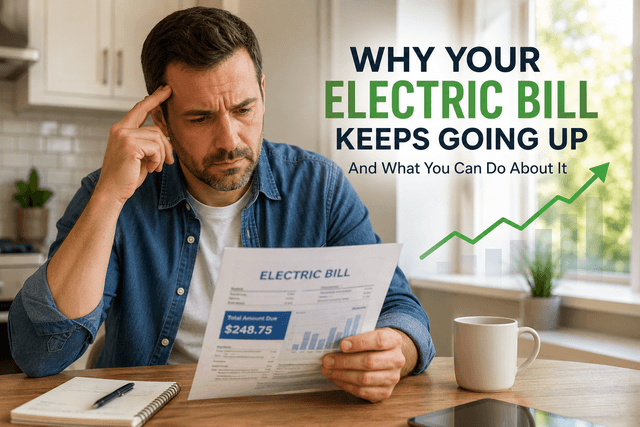
The electric bill alone is a weaker diagnostic tool. A higher bill can result from greater household electricity use, changes in utility rates, billing dates, fixed charges, seasonal conditions or lower solar production. Monitoring data helps separate system production from household consumption.
Do not diagnose a problem by comparing one cloudy day with one sunny day. Review similar weather conditions, the same season and a meaningful period of production. A persistent change is more useful than a single low-output day.
Common reasons production may look lower
- Cloud cover, rain, snow or shorter winter days
- New shade from tree growth or nearby construction
- Temporary dirt, leaves, pollen or snow covering the array
- A monitoring device or internet connection that stopped reporting
- An inverter alert, electrical issue or equipment problem
- Normal long-term changes in panel output
If the monitoring platform shows an alert or a meaningful drop continues after weather and seasonal conditions are considered, contact the installer, system owner or service provider. Avoid opening equipment or attempting electrical troubleshooting yourself.
Do solar panels need to be cleaned?
Sometimes—but not according to one universal schedule. Rain can remove ordinary dust from many sloped arrays. Other properties may experience persistent pollen, leaves, bird debris, salt, soot or localized dirt that rain does not clear.
Cleaning is worth evaluating when buildup remains visible and production data suggests that it is materially affecting output. Manufacturer instructions, warranty terms, roof access and local conditions should guide the decision.
Cleaning may be worth reviewing
- Buildup remains after ordinary rainfall
- Leaves or debris are obstructing part of the array
- Bird activity creates concentrated soiling
- Comparable production is consistently lower
Professional help is the safer choice
- The roof is steep, high or difficult to access
- Debris is lodged beneath or around the array
- Glass, wiring or mounting may be damaged
- Warranty instructions restrict cleaning methods
Safety comes first: Avoid climbing onto the roof, walking on panels, using abrasive materials or touching electrical components. Incorrect cleaning can injure the homeowner, damage the equipment or affect warranty coverage.
How to check for solar panel damage safely
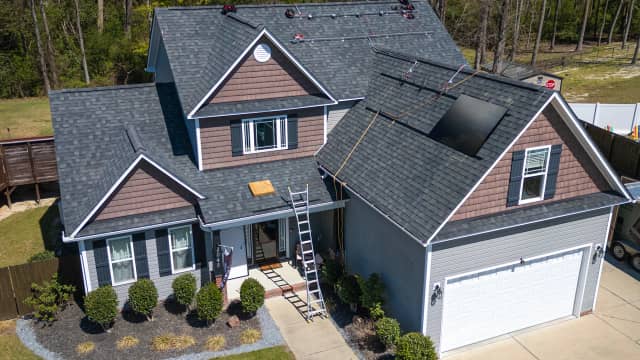
A visual check should be performed from the ground or another safe location. Binoculars or the zoom function on a camera may provide a closer view without requiring roof access.
Visible damage does not always reveal the full problem, and a production change does not always mean a panel is broken. A qualified professional can inspect the array, inverter, electrical connections, mounting system and monitoring data together.
What to do after hail, wind or a severe storm
Solar panels are manufactured for outdoor exposure, but severe weather can still damage panels, wiring, mounting equipment or the roof. The safe response is to document the condition and coordinate the right inspection—not to climb onto the roof immediately after the storm.
Stay away from fallen wires, loose equipment, standing water and visibly damaged electrical components.
Look for broken glass, displaced roofing, shifted panels or other visible changes without entering the roof.
Note unusual messages or production changes, but do not open equipment or attempt electrical repairs.
Photographs, dates, monitoring screenshots and notes may help the service provider or insurer evaluate the event.
Depending on ownership and coverage, this may include the installer, system owner, manufacturer, service provider, roofer or insurance company.
Who is responsible for maintenance and repairs?
Responsibility depends on who owns the system and what the signed agreement says. The panel manufacturer, inverter manufacturer, installer, financing company and homeowner may each have different roles.
| System arrangement | What to verify | Important limitation |
|---|---|---|
| Homeowner-owned | Equipment, workmanship and service coverage | Ownership does not mean every repair is covered |
| Loan-financed | Whether the loan includes any service obligations | A lender is not automatically the service provider |
| Lease or PPA | Monitoring, maintenance, access and repair terms | The contract controls the exact responsibilities |
Before arranging work, review the system agreement and applicable warranties. Unauthorized repair, removal, cleaning or modification may affect coverage. Our guide to solar panel warranties explains how equipment, performance and workmanship protections differ.
A practical solar maintenance checklist
Build a solar system around your home and long-term goals
A solar consultation can help you understand system design, equipment, monitoring, warranty coverage and the responsibilities associated with available payment options.
The goal is early awareness—not constant upkeep
Most homeowners do not need to spend every weekend maintaining their solar panels. The higher-value habit is knowing what normal production looks like and recognizing when the system, roof or surrounding property has changed.
Monitor first, inspect only from a safe location and bring in a qualified professional when a problem persists or damage is visible. That approach protects the homeowner while giving the system the attention it needs over its useful life.