Peak hours are periods when demand on the electric system is relatively high. Off-peak hours are periods of lower demand. Under a time-of-use electricity plan, energy purchased during peak periods may cost more, while off-peak electricity may cost less. The exact hours, prices and seasonal rules depend on the customer’s utility and rate plan.
Electricity demand changes throughout the day. Homes and businesses use more power during certain hours, while demand falls during other periods. Some utilities reflect those changes through rates that charge different prices at different times.
That sounds straightforward, but “peak” and “off-peak” are not universal schedules. One utility may define peak hours as weekday afternoons. Another may place its highest prices in the early evening, use different winter hours or add a separate critical-peak period on selected days.
Before changing when you use electricity—or estimating how solar or a battery may affect the bill—start with the rate plan assigned to the service address.

What are peak electricity hours?
Peak hours are periods when electricity demand is relatively high. Demand often rises when large numbers of households and businesses use heating, cooling, lighting, cooking equipment and other appliances at the same time.
The U.S. Energy Information Administration notes that electricity demand is commonly highest during the afternoon and early evening, although weather, season, region and customer behavior change the actual pattern.
Peak describes a period of higher demand. It affects a homeowner’s price only when the applicable rate or program treats that period differently. A customer on a flat rate may pay the same energy price throughout the day.
Why can peak electricity cost more?
The electric grid must balance supply and demand continuously. During high-demand periods, utilities and grid operators may need to use additional generating resources or manage more strain on transmission and distribution infrastructure. Time-based rates can encourage customers to move flexible electricity use away from the busiest periods.
What are off-peak electricity hours?
Off-peak hours are periods of relatively low electricity demand. They frequently occur overnight, early in the morning or during certain weekend hours—but that pattern should not be used as a substitute for the utility’s published schedule.
Under some time-of-use plans, electricity purchased during off-peak hours has a lower per-kWh price. That can create an incentive to move flexible activities, such as EV charging or certain appliance cycles, to lower-price periods.
The Energy Information Administration defines off-peak as a period of relatively low system demand and notes that those periods differ for each electric utility. Review the current tariff—not a general internet schedule—for the exact hours.
How time-of-use electricity rates work
A time-of-use rate, often shortened to TOU, assigns different electricity prices to defined time periods. The meter records when electricity is purchased—not only the total amount used.
| Rate period | System condition | Possible TOU price | Important limitation |
|---|---|---|---|
| Off-peak | Relatively lower demand | Often the lowest | Hours vary by plan |
| Mid-peak | Intermediate demand | Between other periods | Not every plan uses it |
| Peak | Relatively higher demand | Often higher | Seasonal schedules may apply |
| Critical peak | Selected high-demand event | May be the highest | May occur only on announced days |
An illustrative weekday schedule
Illustration only. It does not represent a specific utility tariff. Actual hours, prices, weekdays, weekends, holidays and seasonal periods must be verified with the utility.
Peak hours are not the same as peak demand charges
These terms sound similar but describe different billing mechanisms. A time-of-use energy rate charges for the number of kilowatt-hours used during each pricing period. A demand charge may be based on the customer’s highest rate of electricity use during a defined interval.
| Bill concept | What it measures | Simple comparison |
|---|---|---|
| Energy charge | Electricity used in kWh | How much electricity was consumed |
| Demand charge | Rate of use in kW during a defined interval | How intensely electricity was used at once |
Demand charges are more common for commercial customers, although certain residential programs may include related structures. The bill and tariff determine which charges apply.
How to find your actual peak and off-peak hours
Do not rely on a generic schedule. Use the rate name shown on the utility bill and verify the current tariff for the service address.
Look for the service classification, tariff or rate code on the electric bill.
Not every customer is enrolled in a time-of-use plan.
Compare summer, winter, weekday, weekend and holiday periods.
Review energy rates, delivery charges, fixed fees and any event-based pricing.
Determine whether the rate is optional, required or subject to a trial or minimum term.
Can shifting electricity use lower the bill?
It may, but only under the right rate structure. Moving electricity use to off-peak hours does not reduce the total number of kilowatt-hours by itself. It changes when those kilowatt-hours are purchased.
The result depends on the difference between peak and off-peak prices, how much usage can realistically move and whether peak-period habits also change.
Potentially flexible loads
- Electric-vehicle charging
- Dishwasher cycles
- Laundry
- Pool-pump schedules
- Some water-heating loads
Harder loads to move
- Heating during extreme cold
- Cooling during extreme heat
- Medical or accessibility equipment
- Cooking at normal meal times
- Essential household activities
Do not sacrifice safety or necessary comfort to chase off-peak rates. A rate plan should fit the household’s real behavior, equipment and needs.
How solar panels interact with peak rates
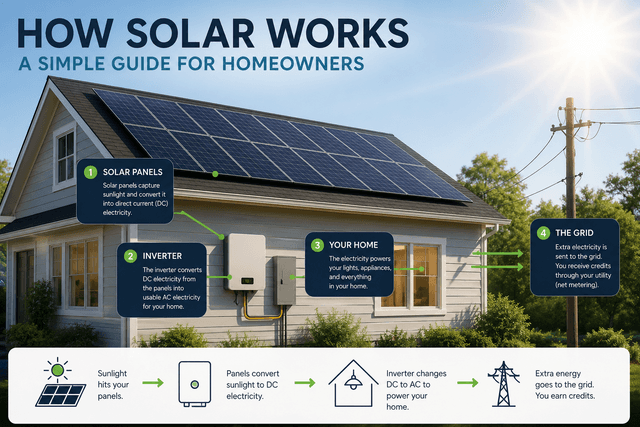
Solar panels produce electricity during daylight hours. When the home uses that electricity as it is produced, the system may reduce the amount purchased from the utility at that time.
The timing does not always line up perfectly. Solar production often reaches its strongest period around midday, while utility demand and household use may remain high later in the afternoon or evening as solar production declines.
Solar does not automatically eliminate peak-period purchases or guarantee savings under every time-of-use plan. The system design, roof orientation, shade, usage profile and utility rules must be modeled together.
Does panel direction affect when solar produces?
Yes. Direction affects the shape of the production curve. East-facing panels tend to move more production toward the morning. South-facing panels often support broad midday production. West-facing panels move more production toward the afternoon.
That does not mean west-facing solar is automatically better under a peak-rate plan. Shade, roof pitch, usable area, total production, household demand and the actual utility tariff all matter. Read our guide to solar-panel direction for the complete comparison.
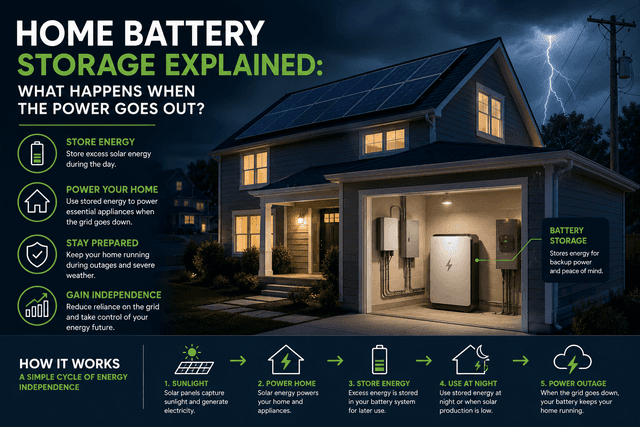
Can a home battery help with time-of-use rates?
A compatible home battery may charge during selected periods and discharge when electricity prices are higher. This is often called load shifting or energy arbitrage.
The opportunity is real, but the result is not automatic. A battery has limited usable energy and power. It may also reserve capacity for backup, experience conversion losses and follow operating rules established by the homeowner, provider or utility program.
| Battery question | Why it matters |
|---|---|
| How much energy is usable? | Determines how long the battery may serve household loads |
| How much power can it deliver? | Determines which simultaneous loads it can support |
| What reserve is maintained? | Backup reserve reduces energy available for rate shifting |
| What is the rate difference? | A small spread may provide limited financial benefit |
How peak rates affect electric-vehicle charging
EV charging is one of the largest flexible household loads for many drivers. If the vehicle remains parked overnight and the utility offers lower overnight prices, scheduled charging may move that demand away from peak hours.
However, the charger schedule should reflect the driver’s actual departure time, required range and utility tariff. Solar can help offset the home’s expanded annual electricity demand, but nighttime charging usually draws from the grid unless compatible storage supplies energy. Our guide explains how to estimate solar needs for EV charging.
Is a time-of-use plan right for your household?
The best candidate is not simply the household that uses the least electricity. It is the household that can keep enough consumption outside expensive periods without creating inconvenience, safety problems or major rebound usage.
Potentially stronger fit
- Major loads can be scheduled
- The home is empty during peak hours
- An EV can charge off-peak
- Usage data shows limited peak consumption
Requires closer review
- Heavy use occurs during peak hours
- Heating or cooling dominates demand
- Schedules cannot realistically change
- The peak-to-off-peak price spread is small
If interval usage data is available, compare several representative months against the proposed schedule. Summer and winter may produce different answers.
See how solar may fit your home’s electricity use
A solar assessment can compare household usage, roof conditions, expected production and applicable utility rules—not merely the average monthly bill.
The rate plan—not the label—controls the answer
Peak and off-peak are useful concepts, but they do not reveal what an individual customer pays. The utility tariff defines the hours, prices, seasons, event rules and additional charges.
Once those terms are known, the homeowner can evaluate which loads are flexible, how solar production overlaps with household use and whether storage or scheduled EV charging adds value. That is more reliable than assuming electricity is always cheapest at night or that solar automatically avoids every peak charge.